high performance flooring handle heavy traffic
In spaces where foot traffic, machinery, and equipment movement are constant, choosing a flooring solution that can withstand heavy usage is critical. High performance flooring is specifically designed to meet these rigorous demands, making it a preferred choice for industrial facilities, commercial buildings, hospitals, schools, and public spaces. Understanding how high performance flooring handles heavy traffic requires examining its material composition, structural integrity, and functional design.
The materials used in high performance flooring play a key role in its ability to sustain continuous use. Epoxy, polyurethane, and vinyl composites are among the most common materials due to their strength, resilience, and wear resistance. Epoxy flooring, for instance, provides a hard, durable surface that resists abrasions from heavy machinery, carts, and frequent foot traffic. Polyurethane adds flexibility and impact absorption, preventing cracks and surface damage even under high loads. Vinyl composites combine durability with a degree of cushioning, making them suitable for areas that need both heavy traffic resistance and comfort.
Structural design and installation techniques further enhance the ability of high performance flooring to handle heavy traffic. Many systems are installed as seamless surfaces, which eliminate weak points such as joints or grout lines that can crack or deteriorate under stress. Proper substrate preparation and adhesion methods ensure that the flooring remains firmly in place, maintaining stability even in high-traffic zones. Layered constructions, often used in industrial flooring, provide additional reinforcement and load-bearing capacity, extending the lifespan of the floor while maintaining performance.
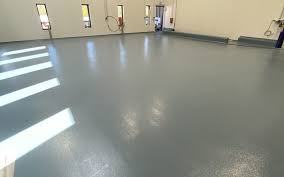
Can high performance flooring handle heavy traffic?
Resistance to wear and tear is another critical factor. High performance flooring is engineered to withstand constant friction, pressure, and mechanical stress without losing integrity. Its abrasion resistance ensures that repeated movement of trolleys, forklifts, or heavy equipment does not cause surface deterioration. Chemical resistance also protects the flooring from spills of oils, solvents, or cleaning agents, which are common in industrial and commercial settings. This combination of physical and chemical durability makes high performance flooring ideal for environments where traditional flooring would quickly fail.
Safety considerations are also addressed in heavy-traffic applications. Many high performance flooring systems are designed with slip-resistant surfaces to reduce accidents, even when exposed to moisture or debris. This ensures that pedestrian traffic remains safe while supporting the movement of wheeled equipment. Fire resistance and anti-static properties in some flooring types further enhance their suitability for busy commercial or industrial spaces.
Maintenance requirements contribute to the long-term ability of high performance flooring to sustain heavy traffic. Smooth, non-porous surfaces are easier to clean and maintain, preventing dirt, grime, and spills from compromising performance. Reduced maintenance needs minimize downtime, allowing spaces to remain operational while preserving the flooring’s structural and aesthetic qualities.
In conclusion, high performance flooring is highly capable of handling heavy traffic due to its durable materials, reinforced construction, wear resistance, and safety features. Whether in industrial, commercial, or high-use public areas, this type of flooring provides reliable performance, long-lasting durability, and minimal maintenance, making it an ideal solution for environments where constant use is unavoidable.