after copier lease ends
For businesses that rely heavily on printing, scanning, and copying, a copier lease can be a practical solution for managing office equipment costs. However, many business owners often ask: what happens after copier lease ends? Understanding the options available at the conclusion of a lease term is crucial for planning upgrades, replacements, and ongoing office operations.
When a copier lease reaches its end, companies typically have several choices depending on the terms of their agreement. One option is to return the copier to the leasing company. This is often the simplest choice, especially if the copier is outdated or no longer meets the company’s needs. Returning the equipment allows the business to avoid additional maintenance costs and provides an opportunity to lease a newer, more advanced model.
Another option after a copier lease ends is to purchase the copier. Many leasing agreements include a buyout clause, allowing businesses to acquire the machine at a predetermined price, which is often lower than the market value. This option is attractive for companies that have found the copier reliable and suitable for their ongoing operations. Purchasing at the end of the lease can also be a cost-effective way to extend the copier’s use without committing to a new lease agreement immediately.
Upgrading to a new copier is a common choice when a copier lease ends. Leasing companies often provide trade-in options or allow businesses to transition smoothly into a new lease for a more advanced machine. This ensures that companies have access to the latest technology, improved functionality, and greater efficiency. For businesses with high printing volumes or specific technical requirements, upgrading at the end of the lease can significantly enhance productivity and reduce operational disruptions.
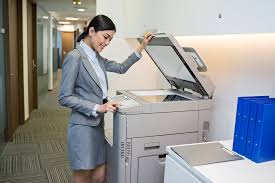
What happens after copier lease ends?
Service and maintenance considerations are also important when a copier lease ends. Leases that included full-service agreements typically conclude service coverage when the lease term ends. This makes it essential for businesses to plan for maintenance on a new lease or a purchased copier to avoid unexpected repair costs. Understanding what happens after copier lease ends helps companies maintain operational continuity and ensures that their office equipment remains in top working condition.
Financially, the end of a copier lease can provide flexibility. Businesses can evaluate their budget, operational needs, and printing demands to decide whether to return, purchase, or upgrade the copier. Many companies use this opportunity to reassess their printing strategies, adjust lease terms, or negotiate better pricing with the leasing company. This flexibility is one of the reasons why leasing is often preferred over outright purchase, as it allows companies to adapt to changing business requirements without being locked into long-term commitments.
In conclusion, knowing what happens after copier lease ends is essential for any business using leased office equipment. At the end of a copier lease, companies can return the machine, purchase it, or upgrade to a new model, depending on their needs and lease terms. Careful planning ensures that operations continue smoothly, costs remain predictable, and the business can take advantage of the latest technology without unnecessary expenses or disruptions.